WTF does Yerba Mate have to do with cocktails?
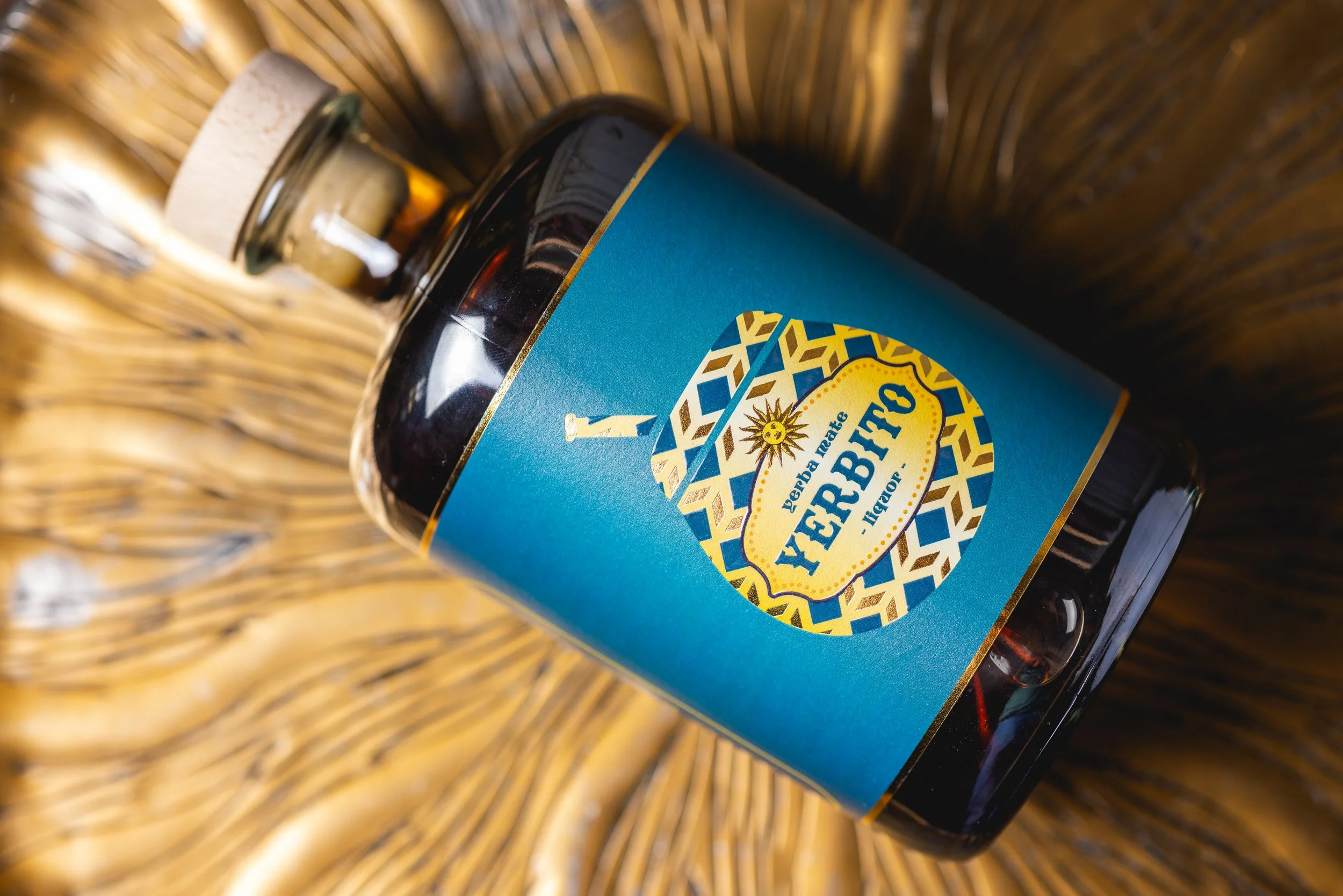
Yerbito is in a class of its own…literally.
My exploration into the world of mate and the birth of Yerbito.
First of all, is it yerba mate or just mate? (pronounced MAH-tay) Yerba mate is the plant and the dried loose-leaf product, while mate refers to either the traditional drinking vessel or the prepared beverage as a whole. (Thanks Mr. Wiki). Stick with me, it will all become clear in a minute.
A little bit of history:
If you get a chance to visit Montevideo, Uruguay, everyone seems to be carrying a little gourd with a metal straw. That's mate, and there, it's not a trend or a wellness thing. It's just life. The story goes way back to the Guaraní people, who roamed the lands of what is now Paraguay, Argentina, Brazil, and Uruguay, chewing on the leaves of the Ilex paraguariensis plant long before anyone thought to brew it into a drink. They called it a gift from the gods and used it to heal, to relax, and to connect. When the Jesuits arrived in the 17th century, they wanted to outlaw it, but then they tried it themselves. It made them feel great so they quietly changed their tune. From there, mate spread everywhere: to Argentina, Brazil, Paraguay…. but Uruguay claimed it hardest. Uruguayans drink more mate per capita than anyone else in South America. Even more than the Argentines. Don't bring that up at a dinner party in Buenos Aires. The point is: when a country loves something this much, this deeply, for this long, eventually, someone is going to put it in a bottle.
I sat down with Karin, the co-founder of Yerbito from Florence, Italy when she hosted an event in my home town of Bassano del Grappa at Cucu’ bar.
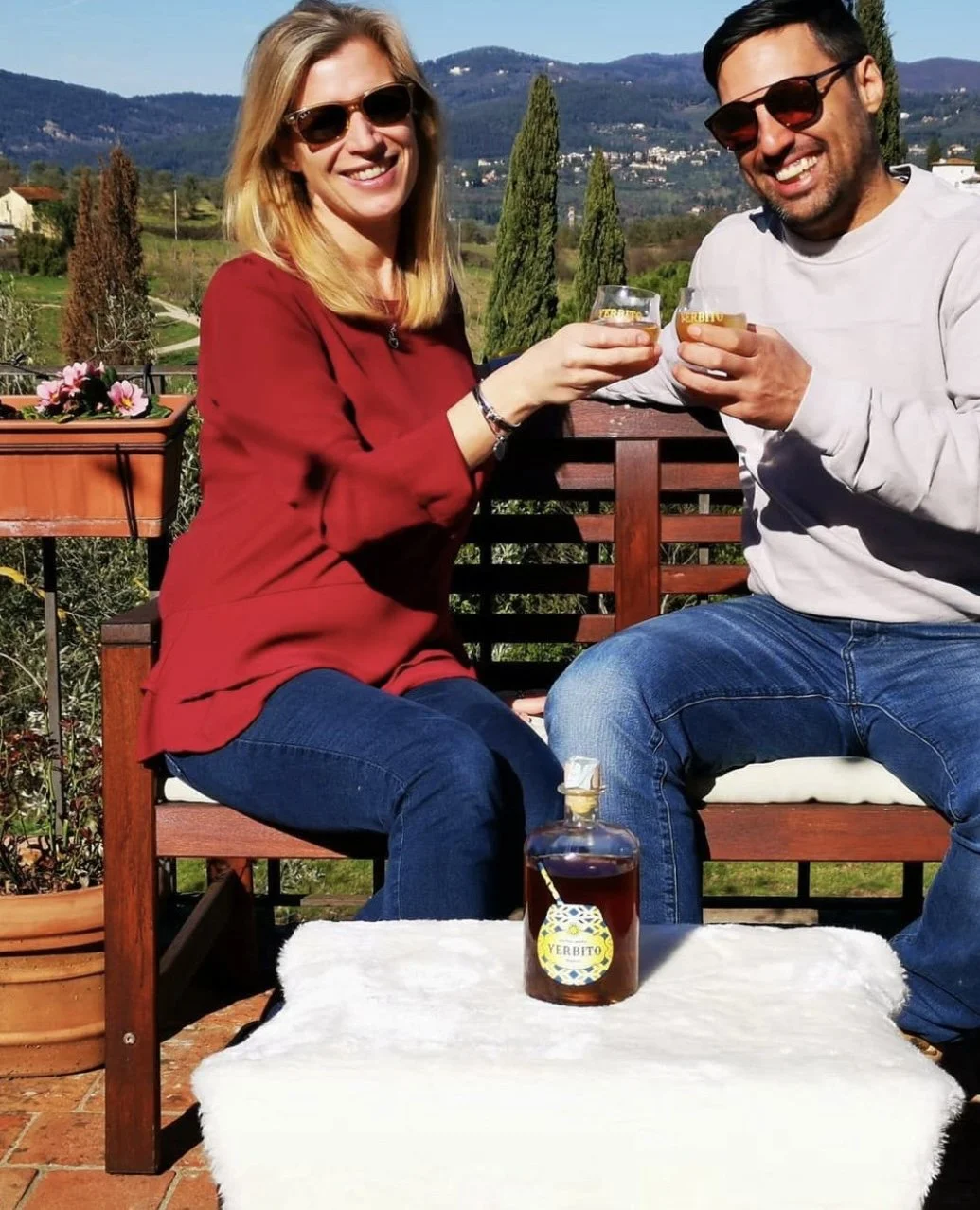
Karin and Gonzalo toasting to success
Can you introduce yourself?
Sure! My name is Karin Cristiana Romano. I am co-founder of Yerbito, a company based in Florence that was born out of a friendship.with Gonzalo Olivera.
How so ?
Gonzalo's father worked at the Brazilian embassy in Rome and later brought Gonzalo to Italy, where they settled in Florence. Gonzalo worked for many years as a bartender and eventually opened his own venue. I met him at one of the bars where he worked, we became friends, and one thing led to another — Yerbito was born. He knew that yerba mate liqueur existed somewhere, but not a true mate-based one. Since he loves drinking mate, one day he decided to try creating a liqueur from this beverage that holds such great cultural importance in South America.
When did you first try yerba mate, and what sparked your curiosity about it?
Mate was very much part of Gonzalo's identity and nature. I didn't know what yerba mate was — I knew it was very important to South Americans as a tradition and a symbol of friendship and connection, but I had never had the pleasure of trying it. So actually, I tasted the liqueur Gonzalo had created first, and only afterward did I get to know yerba mate itself.
Did you travel to Uruguay before developing the product?
Unfortunately, no. I still haven't been to Uruguay — it's on my list of near-future plans, and I will go soon!
What is Gonzalo doing now in relation to Uruguay and the business?
Gonzalo was born in Uruguay, then moved to Italy, and during the COVID period — after Yerbito was founded — he relocated to the United States. He lived first in Washington and now in Los Angeles, where he continues his bartending work while developing the American market for Yerbito. He still has part of his family in Uruguay.
You mentioned a connection to the Uruguayan consulate — can you explain that?
That's through my husband Federico Scavetta, who is the Belgian consul. Through him, we met Veronica Crego, the Uruguayan General Consul in Milan and and developed a warm friendship with her.
How long did it take to develop the product?It took about a year to develop it initially. We started in 2018 and had the first draft of the liqueur — which wasn't quite what it is today — by 2019. At the end of 2019 we formally constituted the company, and in early 2020 we started distributing the first bottles of Yerbito. The early version needed refinement because yerba mate is very powdery and required different filtration, and we also needed to find the right recipe to ensure consistency across each infusion.
Where is the product made, and what are the ingredients?
It's made in the Val d'Elsa area, between Florence and Siena — so it's truly born in Tuscany, just like our friendship and our idea. The yerba mate leaves arrive dried and ground directly from South America — currently exclusively from Uruguay. The alcohol is derived from Sangiovese grapes. The product contains only yerba mate, sugar, and alcohol — no colorants, no additives, nothing artificial. It's purely the result of this infusion with the leaves of the mate plant.
Why did you choose that particular distillery as your production partner?
We met them through friends — friendship has really guided our entire journey. They were very open to letting us run trials when we first approached them, and the choice made sense both logistically (we were all in Tuscany) and practically, since as beginners we needed the flexibility to experiment. Initially we had wanted to make a bitter (amaro), but it turned out too bitter for our tastes, so it evolved into a liqueur that starts sweet but then brings out the characteristic bitterness of mate. It was the result of many, many trials.
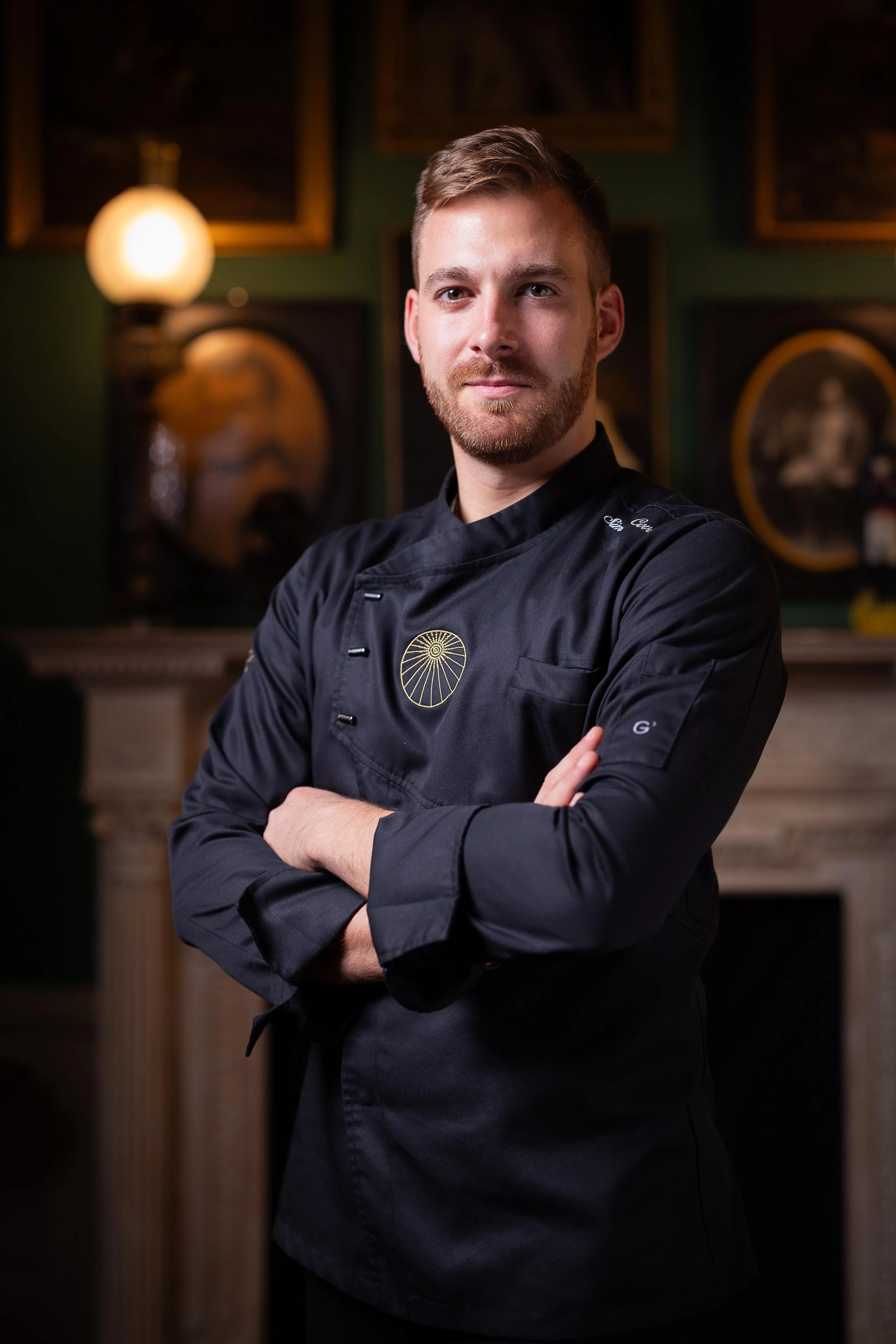
Simone Covan, brand ambassador and new partner
Who is your brand ambassador, and is there any recent news on that front?
Our brand ambassador is Simone Covan, and we actually have exciting news that nobody knows yet: he has joined Yerbito not just as brand ambassador, but as a partner in the company. He's truly become part of the Yerbito family. He has given us so much, and together we're looking forward to growing even further thanks to his expertise.
Who are the other key figures in your strategy?
We recently brought on someone to help with social media. But really, the key figures are the network of bartender friends we've built over the years — people who have become true friends and help us move the product forward. That includes our distributors; we've recently started working with Ferro distribution, who is doing a magnificent job and with whom we have a great partnership.
I see your husband Federico with you everywhere you go; what role does he play in the business?
Officially, he can't take on a formal role because he works as a lawyer and serves as consul. But he has always supported us enormously in managing many situations — he's always there as my husband and as 100% support. Given his legal background and his ease with languages and international relations, he's been a tremendous help whenever we need to develop relationships abroad or navigate legal and contractual matters. He's really a key pillar in that sense.
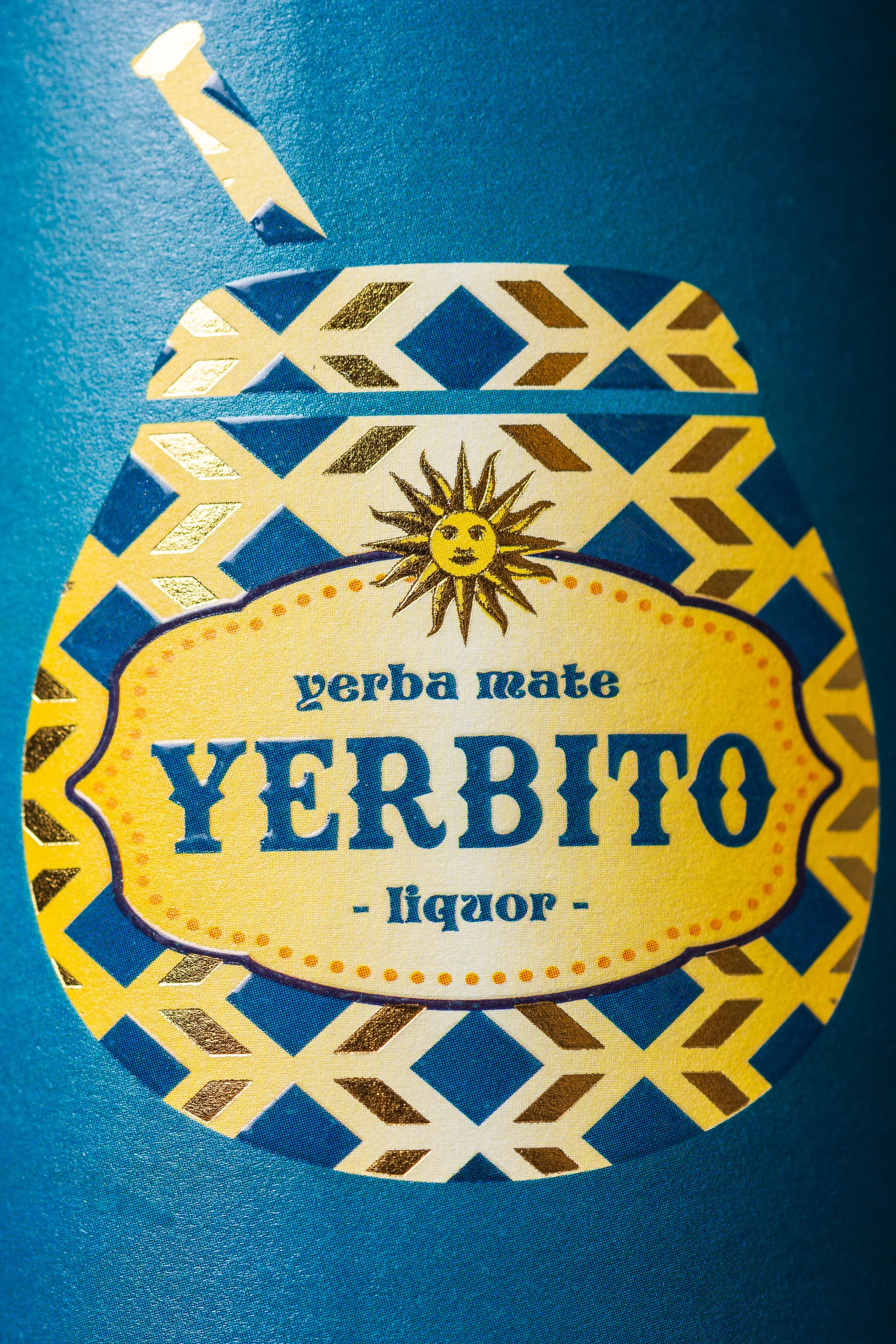
The distinctive label
What is the story behind the label design?
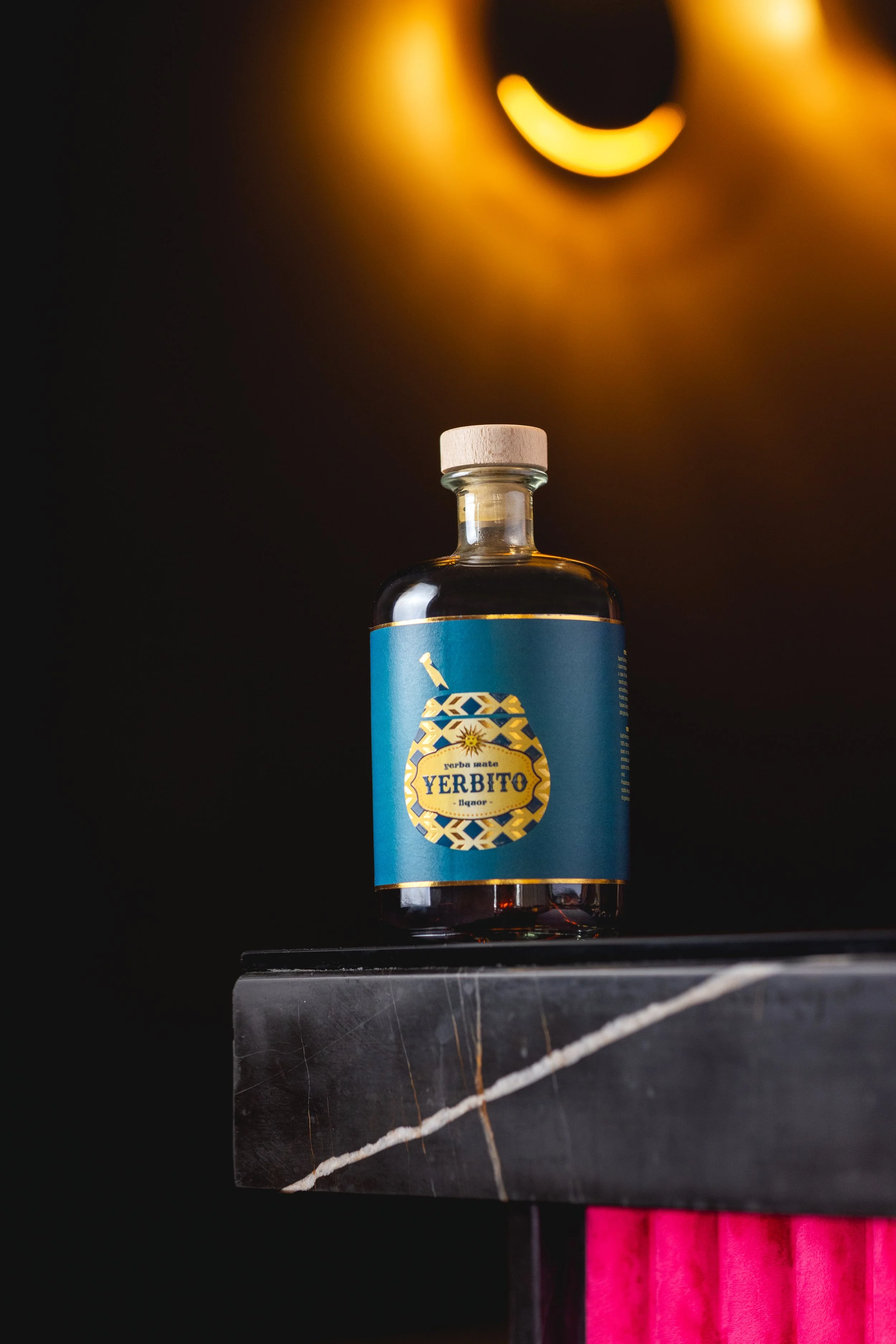
The label features the mate cup (gourd), which symbolizes the product itself. Inside the cup is the Sol de Mayo — the sun symbol that appears on both the Uruguayan and Argentine flags. The colors also incorporate some of the Brazilian flag colors, particularly the yellow we chose. The typeface is inspired by the font used by Boca Juniors, the Argentine football club. So it's very symbolic on multiple levels. The background color is a deep teal or petrol blue — it's a distinctive shade we all really love. My fashion sense really kicked in there..
What is the alcohol percentage?
It's 25% ABV, perfect for mixing.
How has the product been received by the public?
At first, very few people in Italy knew what mate was — and honestly, it's still not as well known here as it is in Germany, Switzerland, or Spain. So a big part of our work has been explaining what mate is. Despite that initial challenge, the product has always been very well received. Its uniqueness is both its strength and its challenge: there is no product like ours in the world, so it has no established category. We have to help consumers understand that Yerbito can be enjoyed simply — not only as a cocktail ingredient but as a standalone drink, like an Yerbito and tonic.
How do South Americans react when they try Yerbito?
They go absolutely crazy for it! The entire South American community would love to have it there, and in fact the idea for the future is to set up production there as well, so we can bring it to South America at an accessible price point. Right now, importing the raw material from Uruguay to Italy and then shipping the finished product back would make it prohibitively expensive. So at some point, local production in South America is definitely something we're working toward.
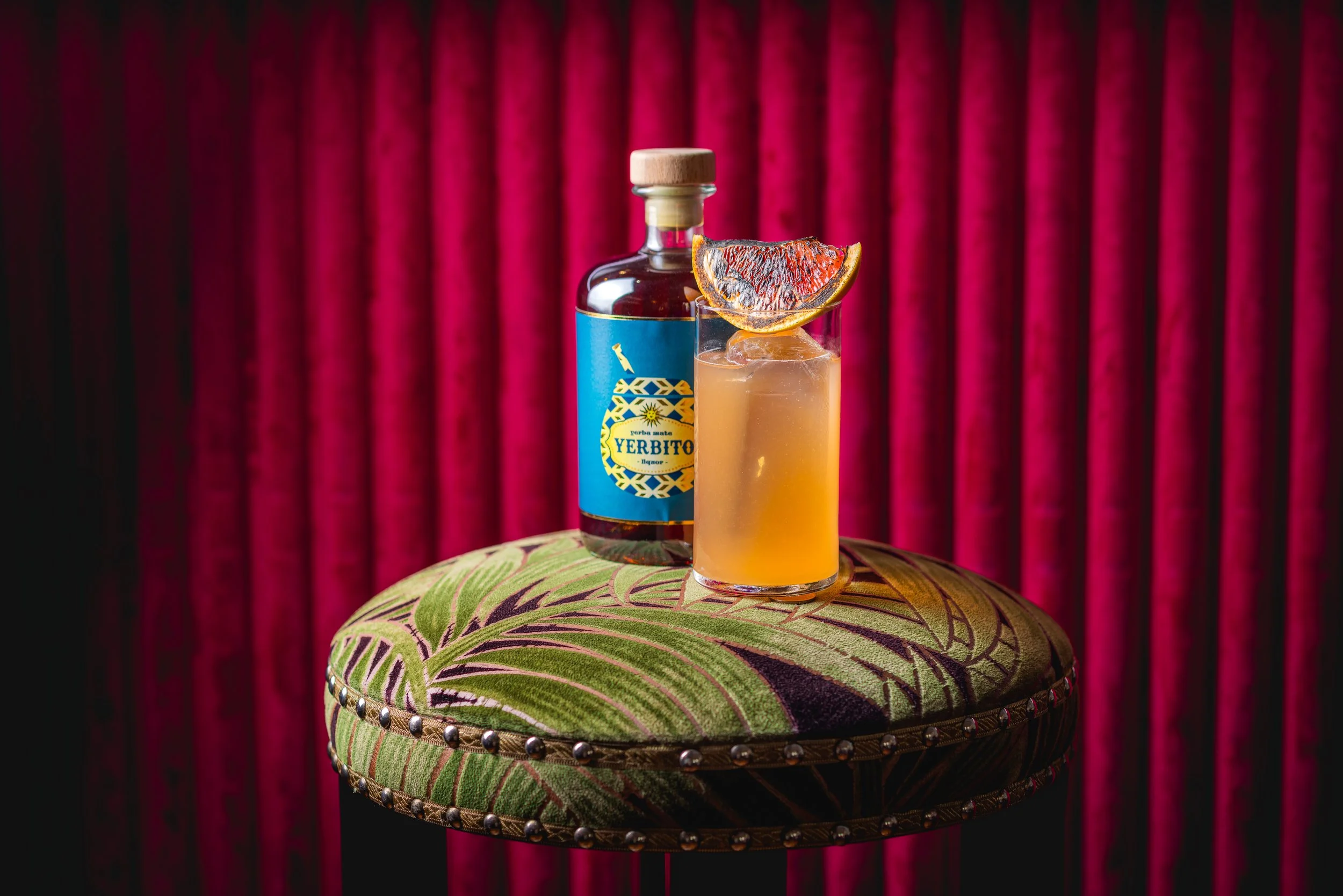
A classic Yerbito cocktail: Palomito by Simone Covan. Yerbito, Mezcal, Lime juice, Pink grapefruit soda
What is the signature serve — how do you recommend drinking Yerbito?
If you want to taste the mate flavor most clearly, the simplest serve is Yerbito and tonic, with a touch of lime or lemon. That's where you really taste the mate. Alternatively, because yerba mate is a natural foaming agent, you can shake Yerbito with ice and get a wonderful foam — add a citrus element like lemon or lime and it's beautiful. South American flavors generally pair fantastically: tropical fruits, citrus, all work very well. The combination with pink grapefruit is another great option.
Your background is in fashion — how did you make the leap to the spirits industry?
I worked for many years in fashion — first for a large fashion company, then back in Florence for a multi-brand company, always in the showroom in direct contact with clients. I've always loved working with people. Then I had my daughters, and as many mothers in Italy know, maintaining your career while raising children is not easy — the support systems just aren't there. This project with Gonzalo came along, and the original plan was for me to be more in the background, handling administrative work. But COVID changed everything. When Gonzalo moved to the US and my three daughters were a bit older, I found myself travelling around Italy presenting the product. I knew nothing about the bar world, but the bartenders I met were wonderful — so welcoming and generous. Every day I learn something new. And with people like Simone beside us, who have believed in us, we've grown together.
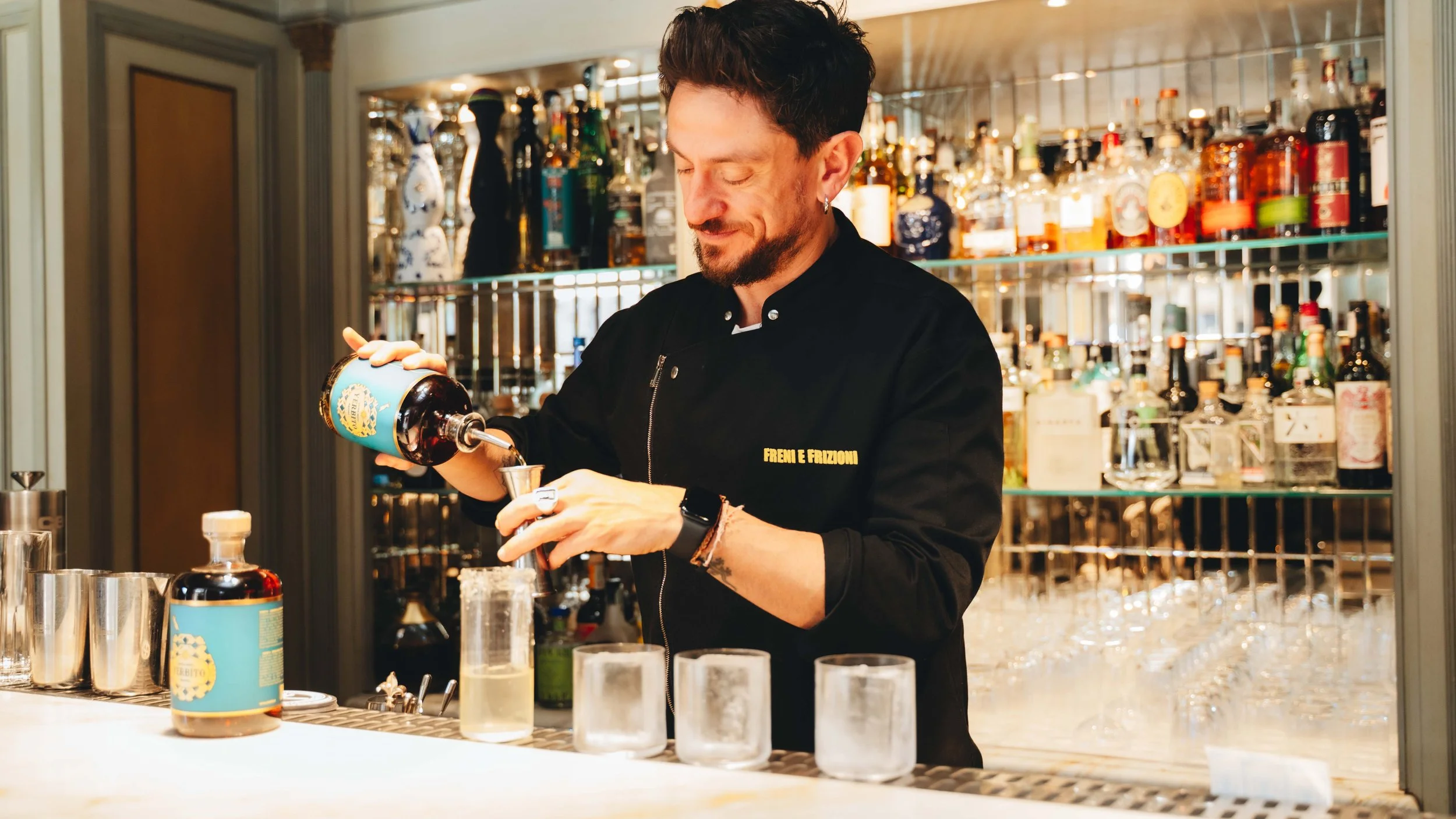
Riccardo Rossi from Freni e Frizioni, Rome mixing with Yerbito at Gucci Giardino during Florence Cocktail week 2026.
What are the future plans for Yerbito?
Our priorities are: developing the US market more fully — we've started working with a new importer who is also a dear friend, focusing first on California (where mate is better known) and then New York and Nevada. We're also opening up Canada and will be at a major trade fair in Montreal in November. In Europe, we want to strengthen our presence now that we have more momentum. We're also thinking about launching a competition in the future — potentially with the prize of a trip to South America for the winner. And we need to improve our website to allow direct purchases online. One day we'd also love to offer an experience in South America showing the mate plantations and how the leaves are harvested and dried — that would be something really special for enthusiasts. It’s an exciting time for us, and for Yerbito!
Links: